Sam McQuade
Apr 11, 2026
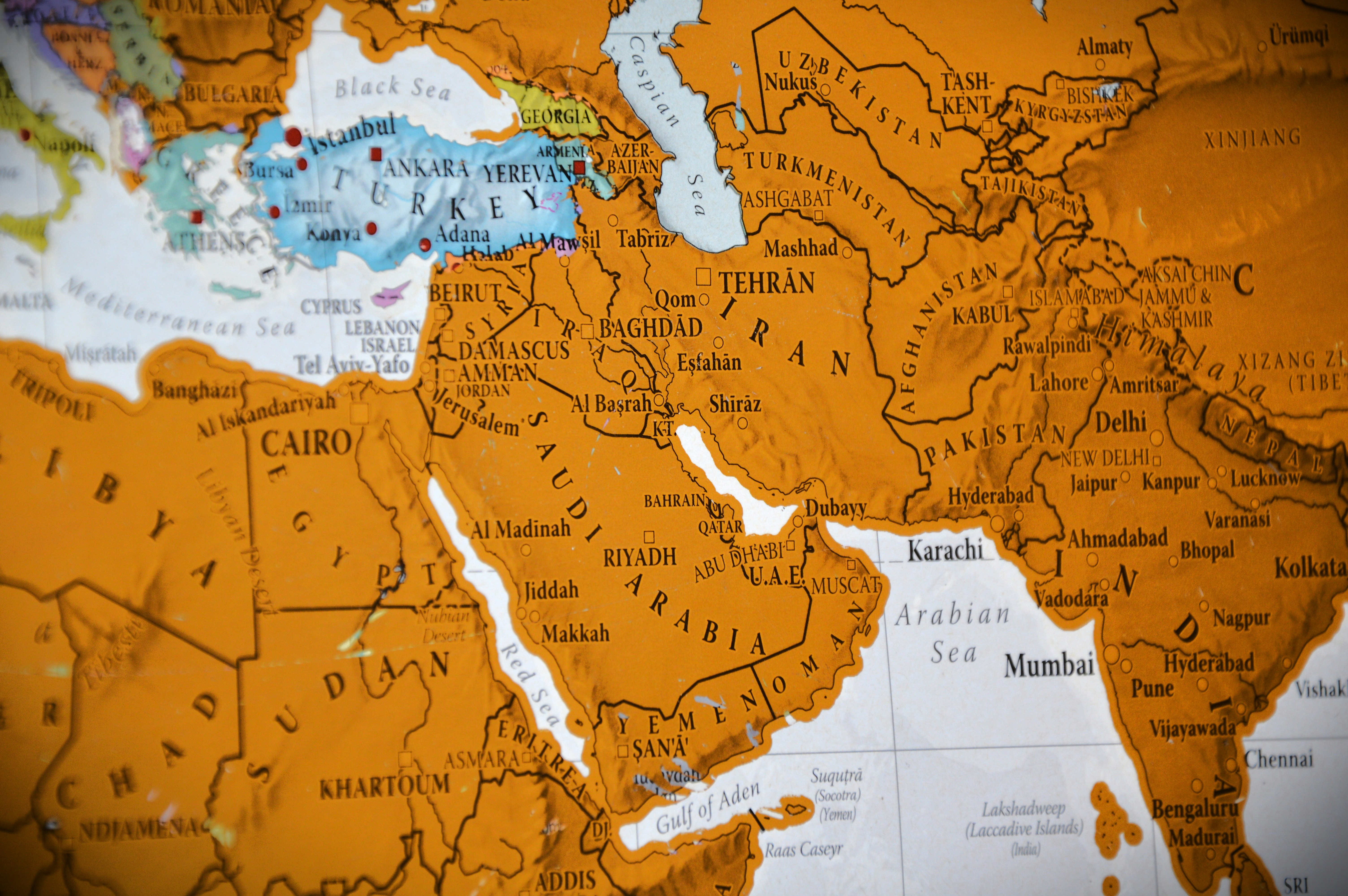
The Middle East represents one of the most active and capital-rich M&A markets in the world — and one of the least understood by Western founders. Family offices in the Gulf deploy billions annually into cross-border acquisitions. Sovereign wealth funds are actively diversifying into technology, financial services, and professional services businesses globally. Regional strategic acquirers are consolidating fragmented sectors across the GCC.
For a Western founder with a business that has relevance in the region — or simply strong fundamentals that a Gulf investor would value — the Middle East buyer universe is a significant opportunity that most advisory processes ignore entirely.
Here is what you need to understand before approaching it.
RELATIONSHIPS PRECEDE TRANSACTIONS
In Western M&A, a well-prepared information memorandum and a structured process are sufficient to engage sophisticated buyers. In the Middle East, the relationship comes first. Gulf investors — whether family offices, strategic acquirers, or sovereign funds — make decisions within trusted networks. Being introduced by a known intermediary is meaningfully more effective than a cold approach.
This is not a barrier — it is a market characteristic that rewards preparation and relationship investment. If you do not have existing relationships in the Gulf, your advisor's network becomes critical. Panterra Finance has operated across the GCC for decades and maintains relationships with family offices, sovereign funds, and strategic acquirers across the region.
DUE DILIGENCE IS MORE EXHAUSTIVE, NOT LESS
A common misconception among Western founders is that Gulf investors conduct less rigorous due diligence than their Western counterparts. The opposite is true. Family offices and sovereign funds in the Gulf conduct extremely thorough due diligence — particularly on legal and regulatory matters, on the backgrounds of founders and senior management, and on the company's relationships with governments and regulators in its operating jurisdictions.
Plan for a longer due diligence process than you would in a domestic transaction. Budget more management time for question-and-answer sessions. Ensure that your data room includes documentation that speaks to the Gulf investor's specific concerns — particularly around compliance, governance, and ownership structure.
SHARIA-COMPLIANT STRUCTURES
Many Gulf investors — particularly family offices and funds with Islamic banking mandates — require transaction structures that comply with Sharia principles. This rules out conventional interest-bearing financing structures and requires specific adaptations.
The most common Sharia-compliant acquisition structures include Murabaha, where the financier purchases the asset and sells it to the buyer at a markup with deferred payment, and Musharaka, a partnership structure where returns are generated from profit sharing rather than interest. These structures are well-established and widely used, but they require advisors who understand both the commercial and the Sharia compliance dimensions.
If your deal involves financing — including seller financing or earn-out structures — the terms must be reviewed for Sharia compliance if the buyer has an Islamic mandate.
CULTURAL DIMENSIONS OF NEGOTIATION
Gulf business culture values personal relationships, respect, and patience in negotiation. Aggressive timelines, adversarial negotiating tactics, and direct confrontation are counterproductive. The negotiation process tends to be longer and more relationship-oriented than Western founders expect.
This does not mean Gulf investors are not rigorous on price and terms — they are. It means that the process through which agreement is reached follows different cultural norms. Patience and respect are not weaknesses in a Gulf negotiation. They are prerequisites for a successful outcome.
REGULATORY CONSIDERATIONS
Foreign ownership restrictions vary significantly across GCC jurisdictions. Saudi Arabia, the UAE, Qatar, and Bahrain have each implemented significant liberalisation in recent years, but sector-specific restrictions remain in some industries. Professional services, healthcare, and financial services each have specific licensing and ownership